In today's conscientious customer landscape, the need for ethically sourced and lasting items has surged. Private label food manufacturers have actually become trailblazers in this domain name, often collaborating with agreement food makers to spearhead sustainability as well as responsible sourcing initiatives. With an undaunted commitment to environmental ethics, exclusive label brands have actually made it their goal to supply lasting, premium alternatives to consumers.
Private Label Food Manufacturers
In recent times, private label food manufacturers, likewise known as very own brands or store brands, have observed a remarkable rise in popularity. These makers create items offered under the logo design of a retail store, grocer, or personal entity. What collections private-label products apart is their ability to use affordable pricing without compromising on high quality.
Contract Food Manufacturers
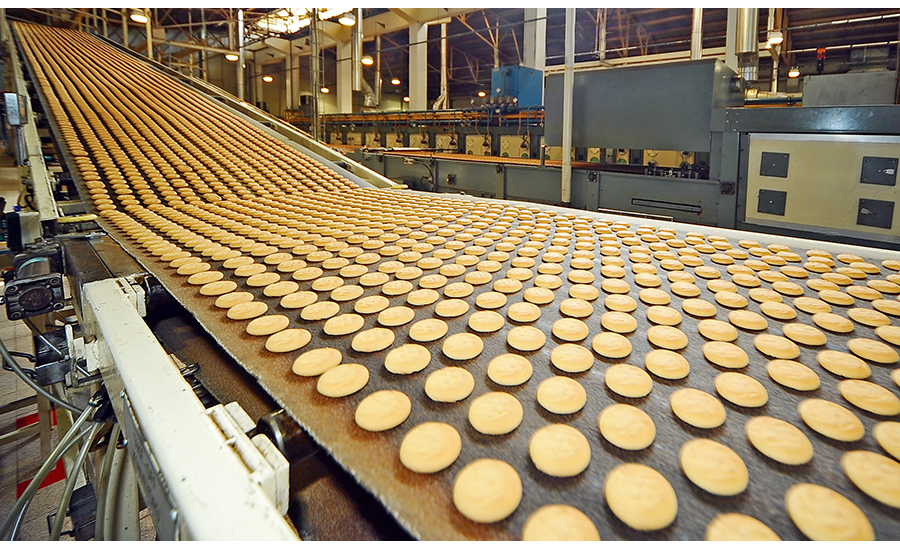
Lots of private-label food suppliers join forces with contract producers to develop their line of product. Agreement food producers are specialists in generating food for personal labels. This critical collaboration enables personal label companies to take advantage of the know-how, sources, and dedicated food production facilities of their partners.
Sustainability at the Core
Private label food manufacturers utilize different strategies to improve sustainability within their supply networks:
Moral Sourcing:
Exclusive label business are significantly committed to sourcing ingredients according to honest and also reasonable profession criteria. This entails ensuring that manufacturers and employees of resources, such as coffee beans, spices, or cacao, obtain fair compensation for their initiatives.

Focusing on neighborhood sourcing of ingredients is another trademark of private-label food makers. This not only decreases the carbon impact associated with transportation but likewise supports local farmers as well as communities.
Organic Ingredients:
With the organic food market increasing, exclusive labels are responding by including natural ingredients right into their line of product. Organic farming techniques prioritize soil health and wellness while shunning synthetic chemicals and also fertilizers.
Sustainable Seafood:
Private Label Food Manufacturers are diligent in guaranteeing that the seafood they make use of is sustainably collected, sticking to guidelines established by organizations like the Marine Stewardship Council, which advertises accountable fishing.
Minimized Food Waste:
Personal label business are actively working with lowering food waste by carrying out effective manufacturing processes as well as establishing items with longer life span. Some brand names are also partnering with food rescue companies to give away surplus food to those in requirement.
Eco-Friendly Product Packaging as well as Campaigns
Sustainability initiatives by private-label food suppliers extend past sourcing active ingredients to include product packaging and also environment-friendly campaigns:
Lasting Product packaging:
Personal label brand names have actually welcomed eco-friendly product packaging choices, including recyclable, eco-friendly, or compostable materials. Revamping product packaging to decrease excess product and also decrease environmental influence is a top concern.
Waste Reduction:
To lessen wastage, private-label food manufacturers optimize product dimensions, decrease excess packaging, as well as explore innovative packaging remedies. Some brand names also motivate consumers to join reusing programs.
Power Effectiveness:
Lots of exclusive label makers are investing in even more energy-efficient production plants, reducing water use, and also adopting renewable resource resources to better reduce their environmental footprint.
Carbon Neutral Initiatives:
Some private brand name food manufacturers are taking enthusiastic steps to attain carbon neutrality by countering their greenhouse gas exhausts via reforestation tasks and also renewable resource credit reports.
Obstacles and the Road Ahead
Regardless of the considerable strides made in sustainability and also responsible sourcing, private-label food manufacturers deal with challenges. Balancing sustainability with cost-effectiveness can be a delicate act, in some cases needing compromises on lasting components or the expedition of environment-friendly options.
Often Asked Inquiries
Q1: What are private label food manufacturers?
Private label food manufacturers generate items offered under the logo of a retail store, grocer, or personal entity. They supply competitively valued products without endangering on top quality.
Q2: Just how do private label food manufacturers promote sustainability?
Private label food manufacturers promote sustainability through moral sourcing, local ingredient procurement, the use of organic ingredients, sustainable fish and shellfish practices, as well as efforts to decrease food waste.
Q3: What green packaging choices do personal label brand names use?
Private label brand names embrace green packaging private label food manufacturer options such as recyclable, biodegradable, or compostable materials. They likewise redesign product packaging to lessen excess material as well as decrease environmental effect.
Q4: What tests do private label food manufacturers deal with in sustainability efforts?
Stabilizing sustainability with cost-effectiveness is a significant difficulty for private label food manufacturers. This may need compromises on sustainable active ingredients or the expedition of environmentally friendly options.
Verdict
Private label food manufacturers are at the leading edge of the sustainability as well as accountable sourcing motion within the food sector. Their commitment to moral sourcing, neighborhood procurement, natural active ingredients, and lasting practices, as well as their dedication to eco-friendly packaging as well as waste reduction campaigns, show their determination to satisfy the needs these days's eco-conscious customers.
Despite the challenges they deal with, private label food manufacturers are poised for an appealing future. With consumers increasingly focusing on sustainability, the market is likely to witness even higher partnership with vendors, investment in sustainable technologies, and also a dedication to openness. As we move on, private label food manufacturers will certainly continue to play a crucial duty fit a more lasting and ethical food landscape for all.